Hatshepsut Dry Point
Ma’at Kare
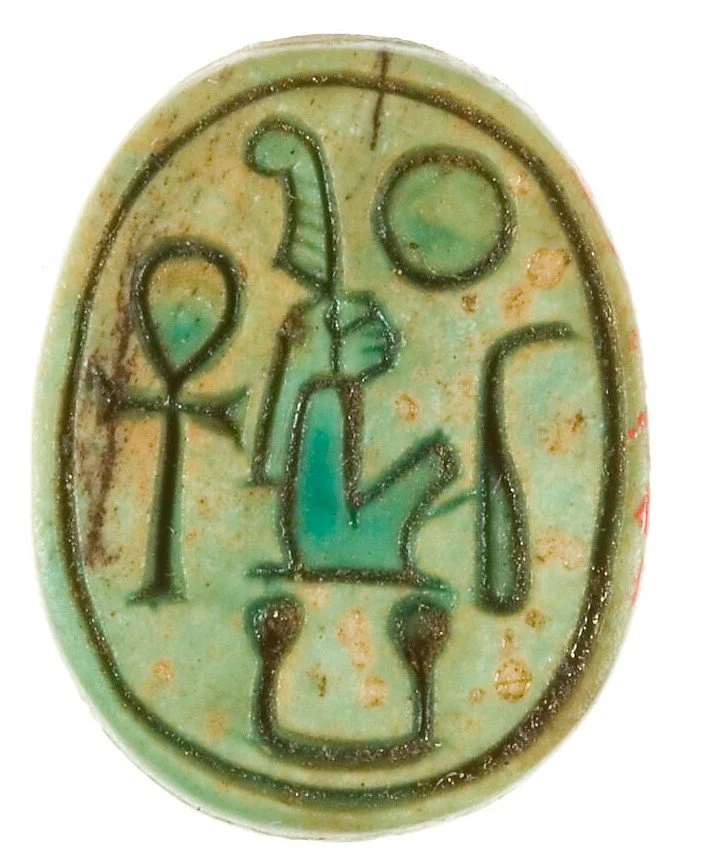
Which means Ma’at is the Ka spirit of Ra. The circle symbol stands for Ra, which is the Sun God. The figure with the feather stands for Ma’at, which is the Goddess of truth, order, and justice. The two arms stands for Ka, which is the life force or the souls. Ma’at Kare was Hatshepsut’s royal title and all together translates to the goddess of truth order and justice is the soul of the sun god.
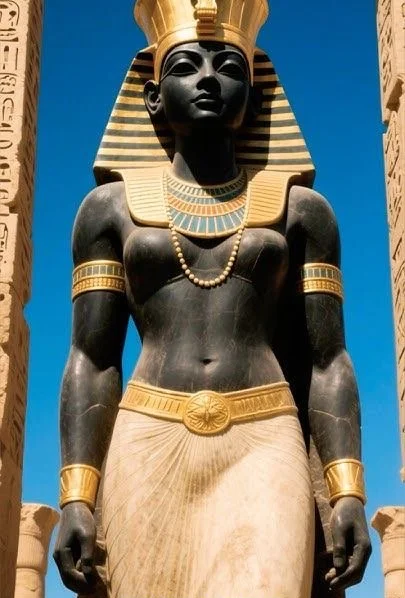
Hatshepsut, one of the few female Egyptian pharaohs, is and was highly admired for her ruling abilities. At the time pharaohs were only meant to be for men besides for a few special cases, like if the next in line was too young. Which happened in Hatshepsut’s case. She ruled for 10 straight years during the 18th dynasty. For her time she could be considered a gender queer icon. She wore the typical regalia of a male ruler and affianced her self with masculinity to embrace the role as pharaoh. I only have respect and admiration of Hatshepsut and so I took on this project. I decided to draw her chest bare to signify the closeness she had to masculinity and just because she has breasts doesn’t mean she has to cover them. None of the men did. It makes a statement just like she did when she was pharaoh. Unfortunately 20 years after her death most of her legacy was destroyed but we were able to put them together so her legacy can continue to rage on.
Hatshepsut
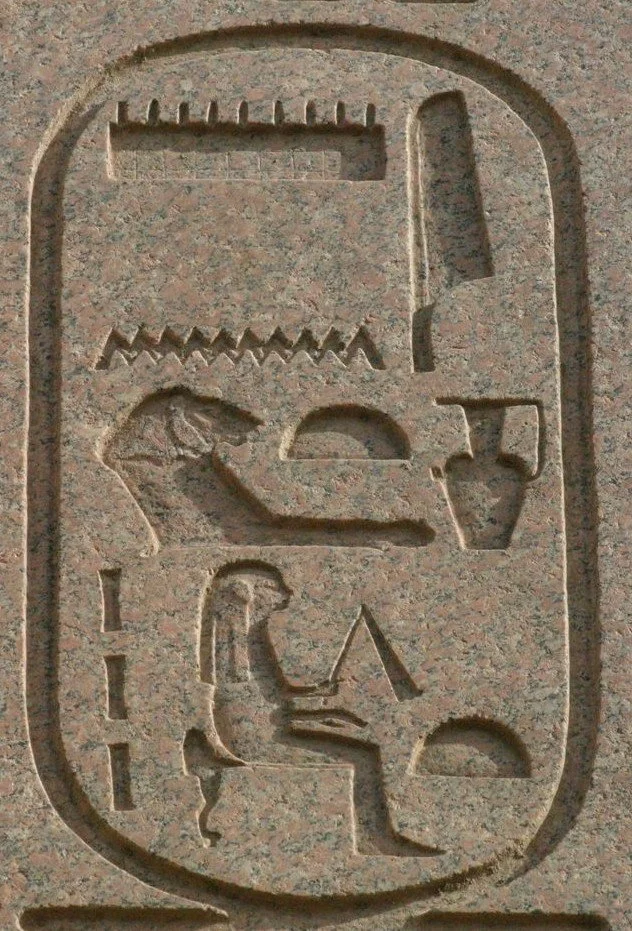
Hatshepsut’s given name which she also shortened it to Hatshepsu which is a more masculine version of the name. Her name stands for, Foremost of Noble ladies united with Amun, who is an ancient Egyptian deity. This is the more elongated version of her name but for the most part the lion stands for the hats in her name the half circle is the T and the person makes up shepsut.
References